
Bartlett · Germantown · Collierville · Lakeland
Is water getting into your Bartlett home?
Water Damage Restoration in Bartlett, TN
Our local water damage professionals remove standing water and dry affected rooms in Bartlett, TN. Call about a pipe leak, soaked carpet or spreading ceiling stain, and a local professional takes it from there.
- Calls answered 24/7
- Water removal and drying
- Serving Bartlett and nearby
What kind of water damage needs attention?
Standing water, soaked floors, ceiling leaks and wet walls all need attention in Bartlett homes. Choose the problem closest to what you're seeing, or call and describe the damage.
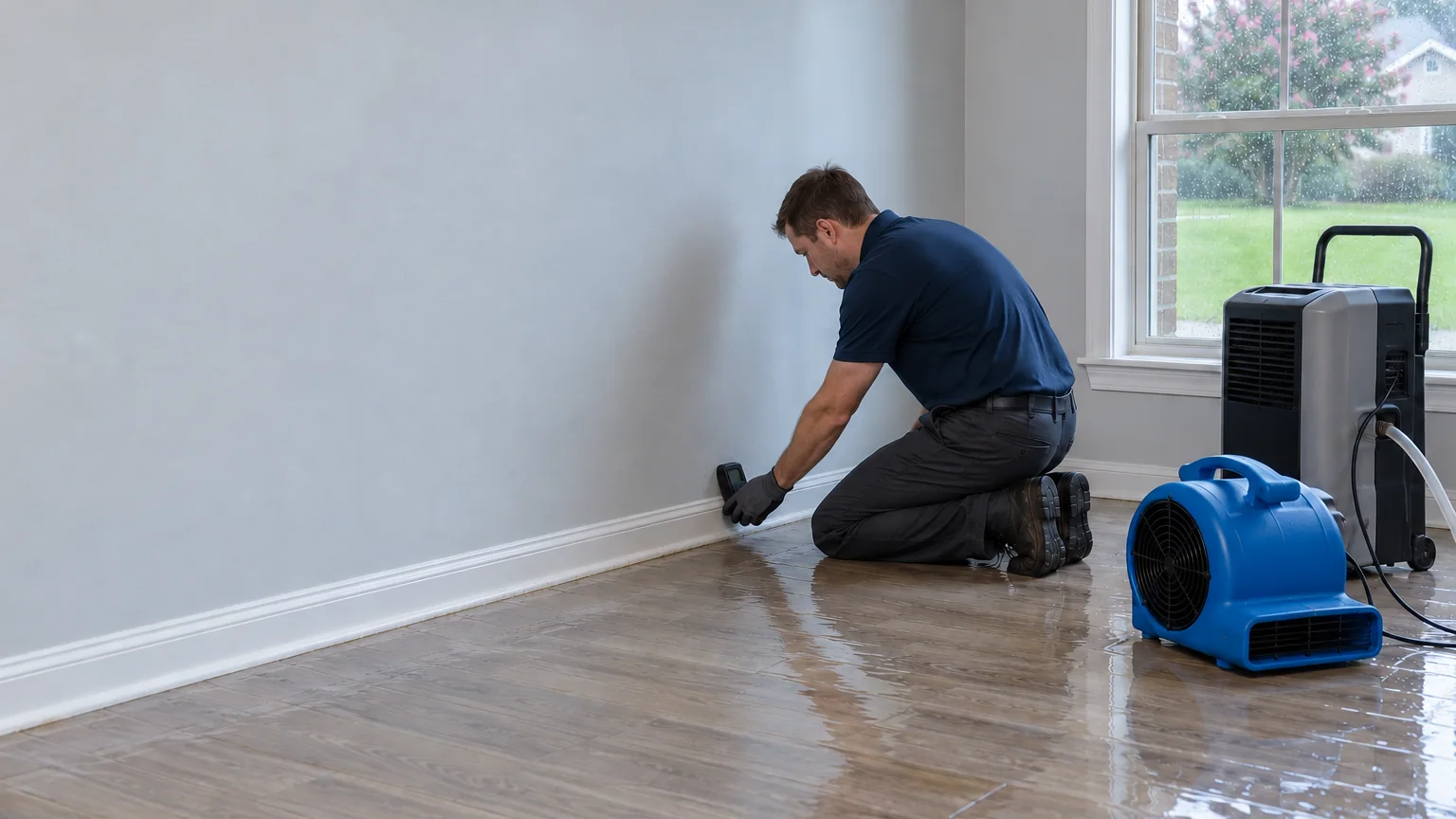
 Emergency Water RemovalStanding water from a leak or overflow needs extraction and moisture checks before the affected floors and walls can dry.
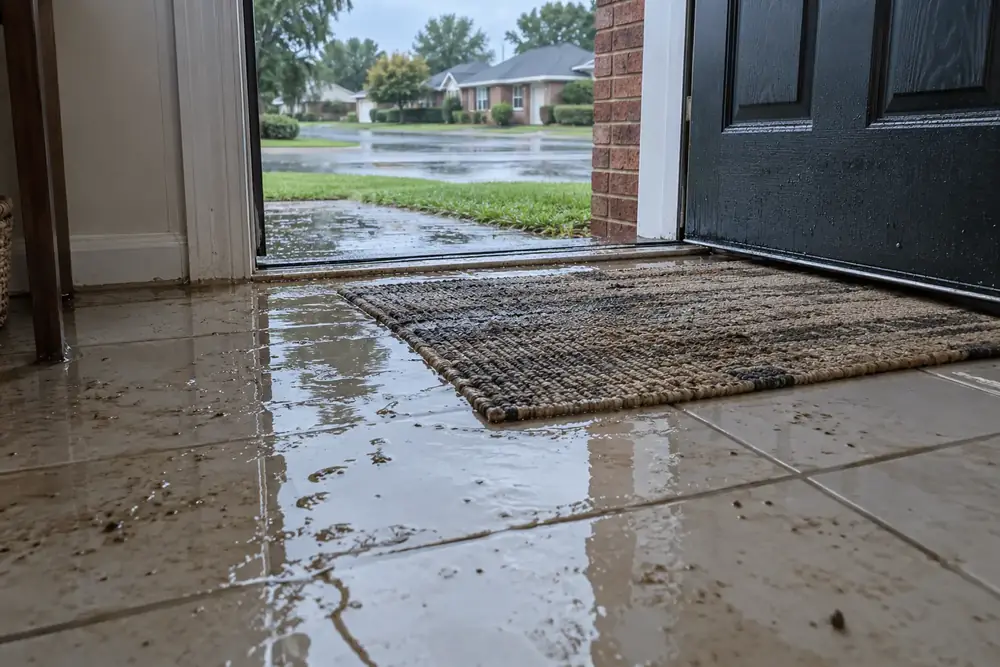 Flood & Storm Water CleanupCleanup for rain and runoff that enter living spaces, soak rugs and leave muddy water along floors and walls.
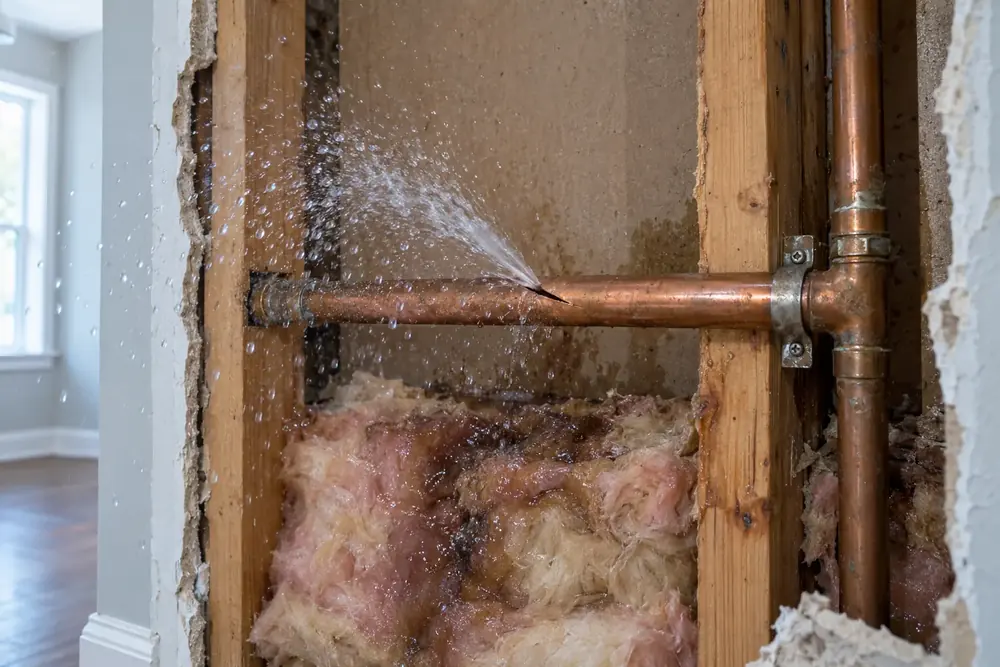 Burst Pipe & Leak Water DamageWater removal and drying for supply pipe breaks, leaking connections and appliance leaks that soak surrounding floors, ceilings or wall cavities.
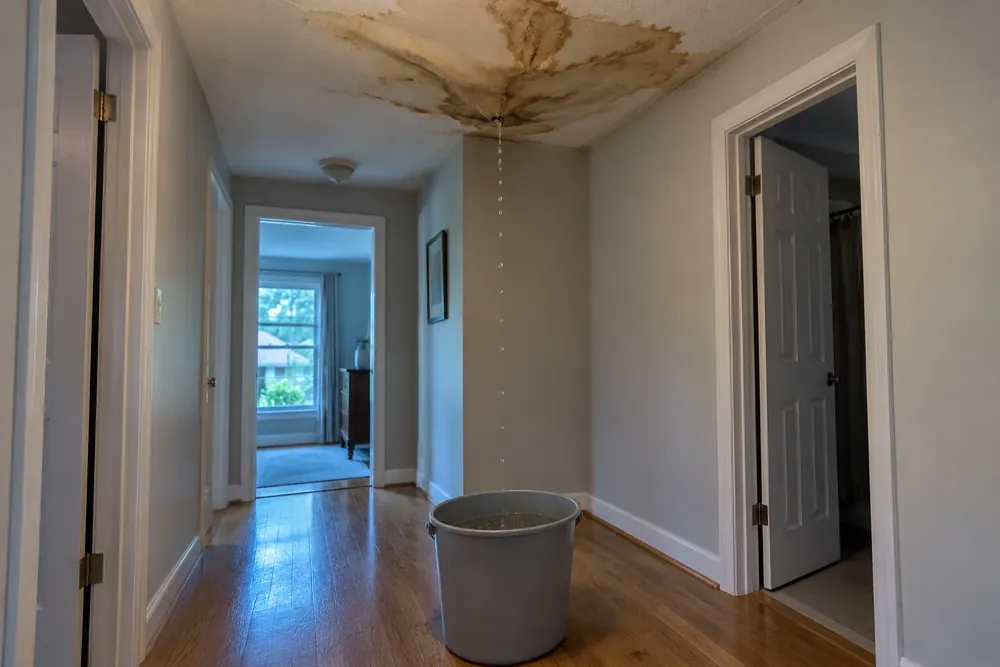 Ceiling Water DamageLeaking, stained, or sagging ceilings need moisture checks above the drywall, controlled drying, and a repair plan for damaged materials.
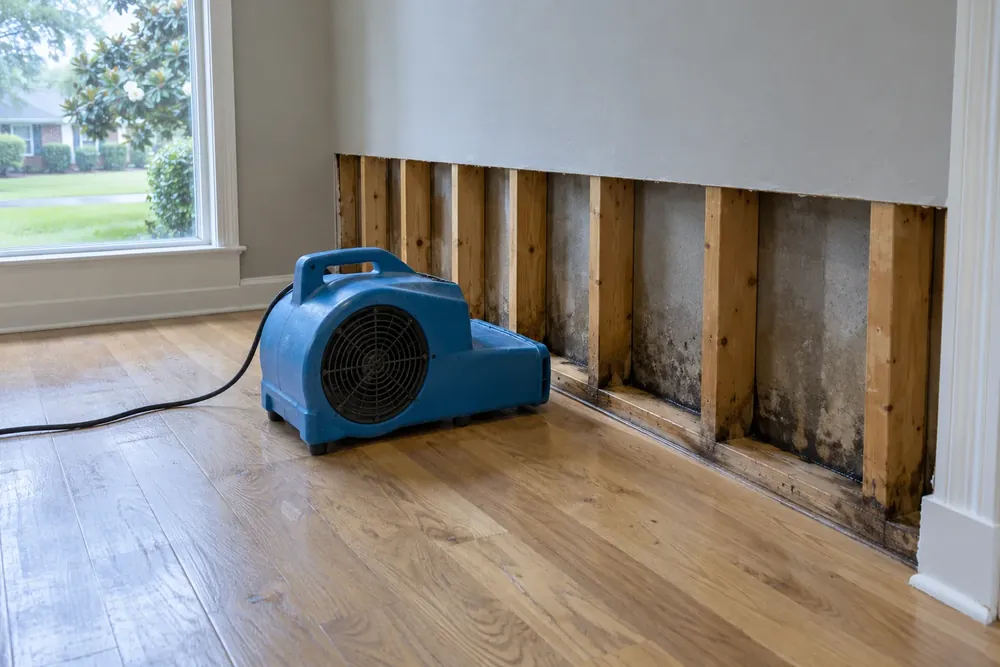 Wall & Drywall Water DamageSoft drywall, peeling paint, and wet baseboards call for moisture checks inside the wall before damaged sections are repaired.
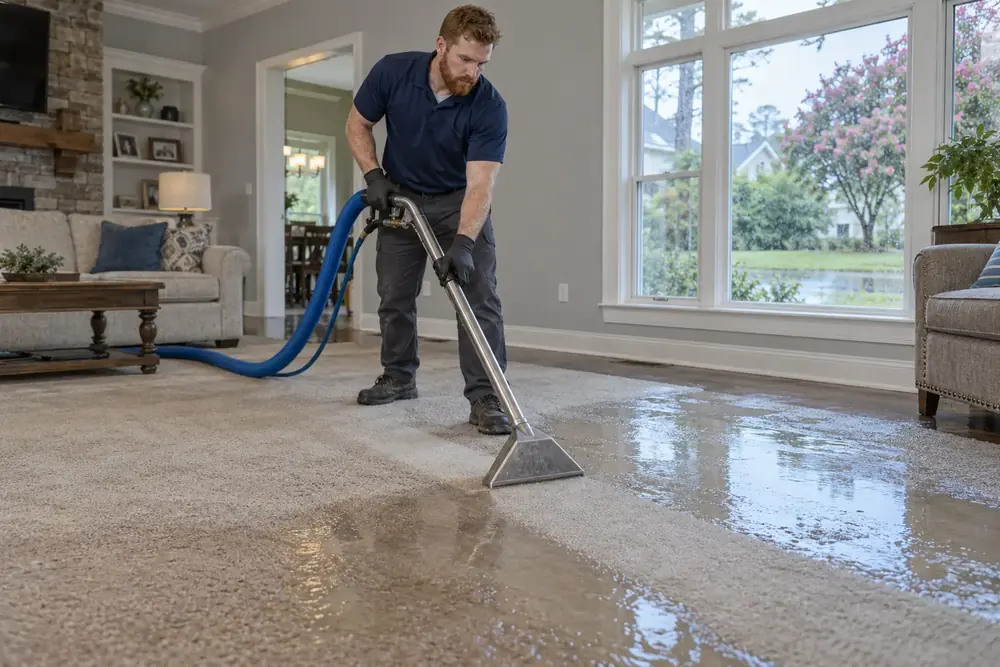
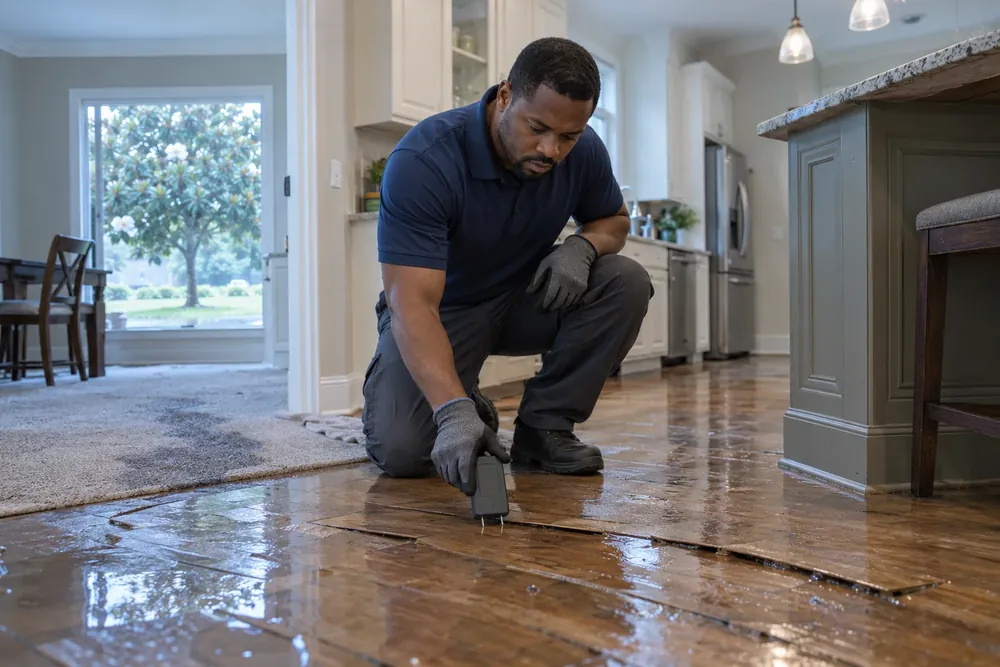 Wet Floors & Carpet DryingSoaked carpet, cupped hardwood, and damp flooring seams need extraction and moisture checks beneath the surface to plan drying or replacement.
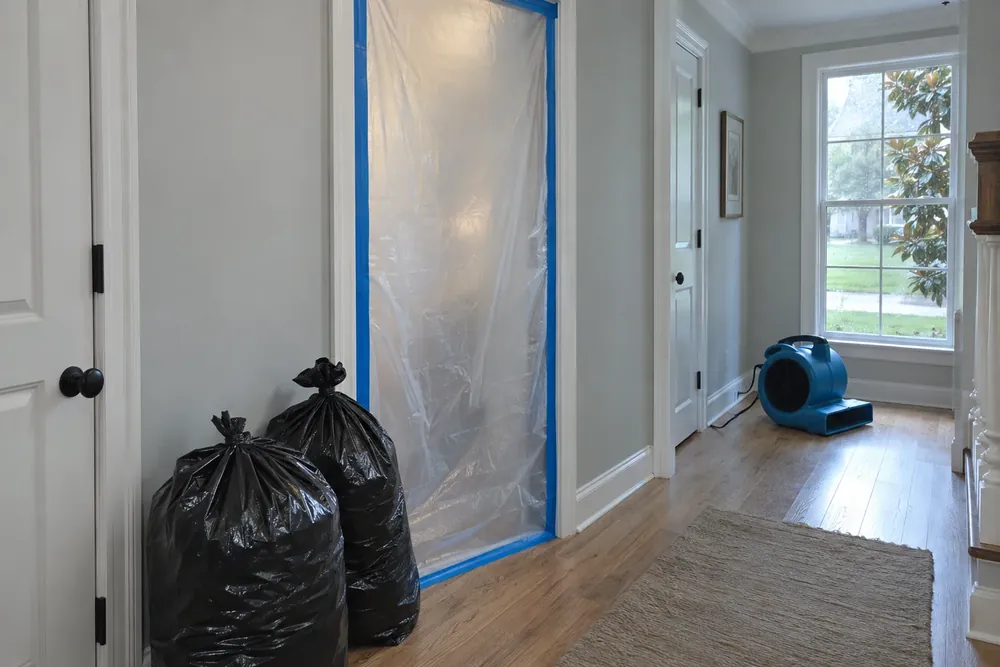 Sewage Backup CleanupCleanup for wastewater backing up through toilets or drains, including contaminated water removal, affected material assessment, and drying.
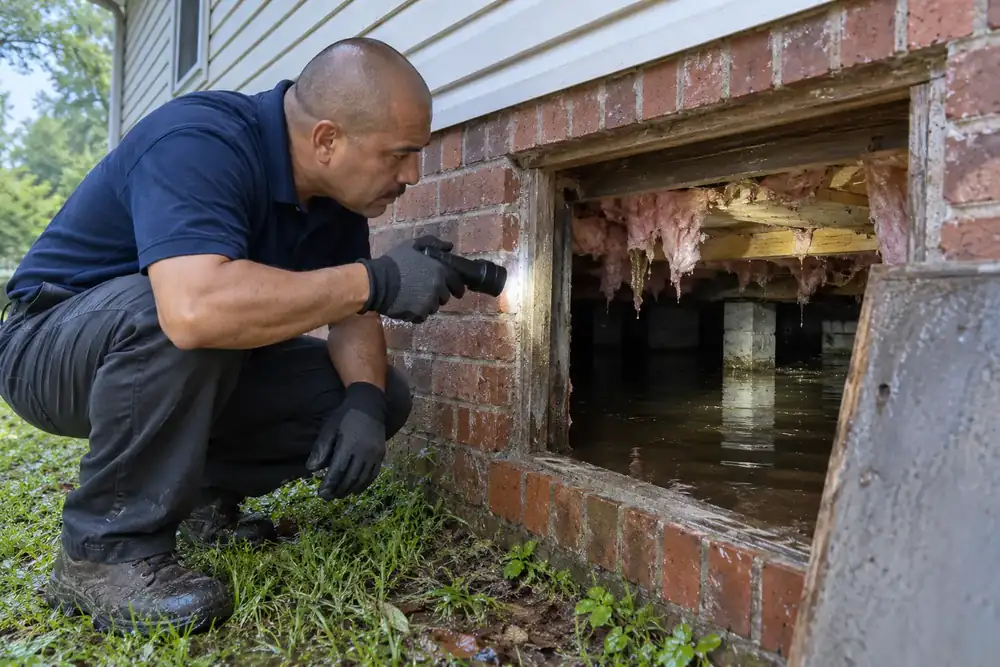 Basement & Crawl Space WaterWater removal and drying for flooded basements or crawl spaces where standing water has reached insulation, framing, or stored belongings.
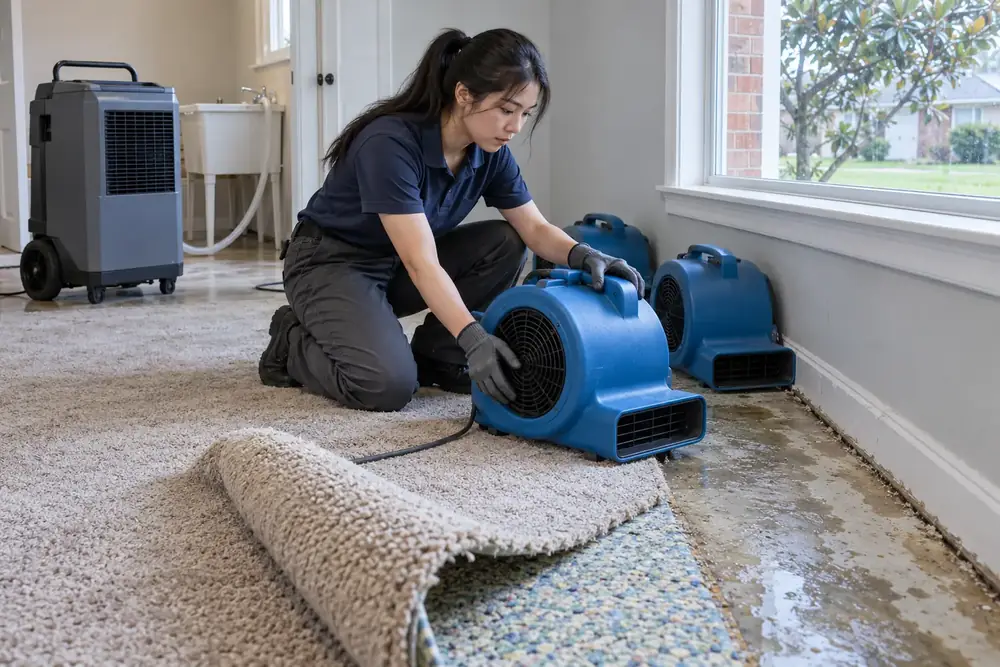 Structural Drying & DehumidifyingMeasured drying for moisture left in framing, wall cavities, and subfloors after visible water has been removed from the room.
Who answers my call about water damage?
Riverbend Water Damage answers calls from Bartlett homeowners and puts the next steps in the hands of a local water damage professional. Homeowners across north Shelby County can also call when dealing with active leaks, flooded rooms or materials that stay damp after a spill. Tell the person answering where the water is, whether it's still coming in and what rooms are affected. You can share what you know during the call without measuring the damage or finding the leak first.
A local professional arranges the visit with you and explains the proposed scope. At your home, your technician checks the water source, affected surfaces and moisture beneath or behind them. You'll hear what needs extraction, what needs drying and whether damaged materials need removal. Photos, moisture readings and a written scope document the condition of the home for insurance. Decisions about coverage belong to your insurer.
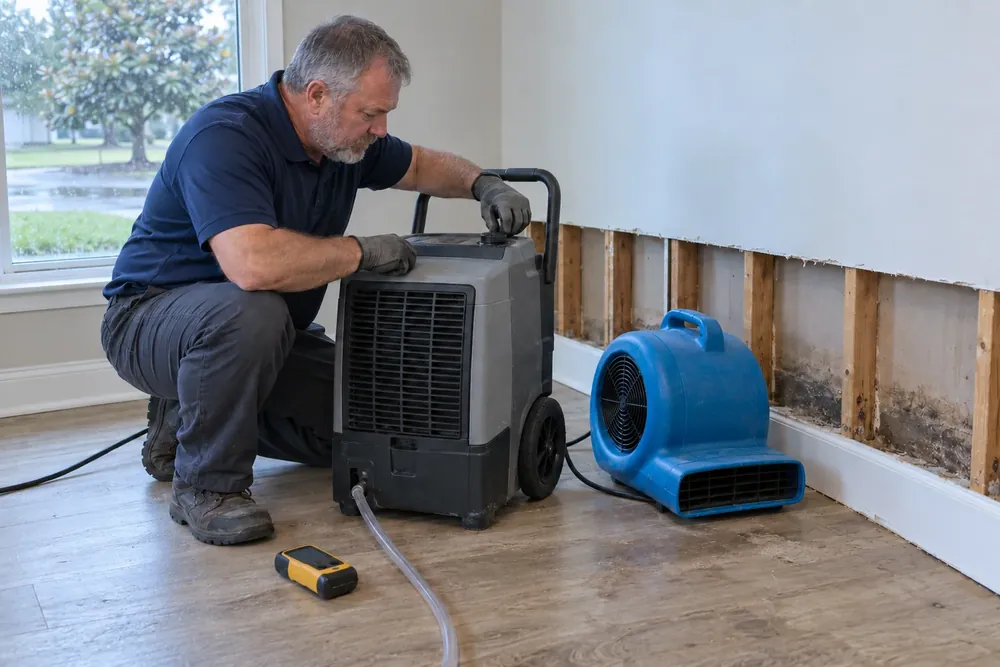
What happens after I report the water?
- Call and describe the affected rooms, any active leak and any safety concern you can see from a dry place.
- A local water damage professional sets the visit with you, then your technician checks the source and measures moisture beyond the visible puddle.
- Your technician explains the scope and price, removes standing water and sets up drying equipment suited to the affected materials once you approve the work.
- Follow-up moisture readings show how drying is progressing, and your technician explains when the materials are dry enough for the next repair steps.
Does calling sooner help limit the damage?
Calling promptly helps get water removed and hidden moisture checked before more materials become soaked. A puddle doesn't stay neatly inside the room where a leak started. Water can wick into drywall, soak carpet padding and reach the floor underneath. Wood can swell, and trim can separate as materials absorb moisture.
In a Bartlett home, a leaking upstairs fixture can wet the ceiling below while water follows framing into an adjoining wall. A laundry hose can soak the floor beneath an appliance before the spill reaches the doorway. Those are reasons to mention nearby stains and damp surfaces during your call, even when the main puddle looks small.
The first day or two matter because moisture also supports mold growth. The EPA recommends drying water-damaged areas within 24 to 48 hours to help prevent it. That guidance is a reason to act promptly, not a promised drying time for your home.
Your technician uses moisture readings to assess the affected materials rather than judging by appearance alone. Call while the problem is active; you don't need to wait until a wall changes color or a floor starts lifting.
What can cause water damage in Bartlett?
Leaking supply lines, water heaters, appliance hoses and roof openings can let water into Bartlett homes. A slow drip inside a cabinet can reach the wall behind it, while a broken washing machine hose can spread water across several rooms. During the call, describe where the moisture appeared and whether the leak is continuing.
Outdoor water matters too. The National Weather Service's May 2010 storm account documents heavy rain and flash flooding in and around Bartlett. Rainwater entering a doorway needs a different cleanup assessment from a leak in a household supply line.
Winter cold is another concern. NWS Memphis lists extreme winter weather in February 2021. Freezing water can damage household pipes, with leaks becoming visible as the pipes thaw. Call about wet ceilings, walls or floors after a freeze, even if you can't see a broken pipe.
Which nearby towns can I call from?
You can call from Bartlett, Germantown, Collierville, Lakeland, Arlington and Millington, as well as Atoka and Oakland, plus Olive Branch, Southaven and Horn Lake in Mississippi, and West Memphis and Marion in Arkansas. Homeowners in north Shelby County and those nearby towns can call about water inside the home, damp building materials or damage following a leak. A local technician arranges the visit and discusses the rooms that need attention.
See the service areas for the town pages. You can call from the same number whether water is pooling beside an appliance or dripping through a ceiling. Share your town and what you're seeing during the conversation so the next steps focus on your home.
What else do people ask before they call?
What does water damage restoration include?
Water damage restoration includes assessing affected materials, removing water, drying the structure and planning repairs where needed. Your technician checks more than the visible spill because moisture can remain beneath flooring or inside walls. The written scope explains the drying work, any material removal and the repairs being proposed before work begins.
Is water damage an emergency?
Water damage needs urgent attention when water is spreading, a ceiling is sagging or electricity may be affected. Keep away from the wet area and call from somewhere dry. Even a stopped leak can leave soaked materials behind, so a puddle disappearing doesn't show whether the wall or floor underneath is dry.
Can water damage be fixed?
Many water-damaged areas can be restored, though some materials need replacement. The outcome depends on the water source, how long materials stayed wet and how much damage they sustained. Moisture readings and an inspection help your technician separate materials suitable for drying from items that are swollen, weakened or contaminated.
Will water damage go away on its own?
Water damage can remain after the visible water evaporates because moisture may be trapped behind finished surfaces. Carpet padding, wall cavities and flooring layers need attention when they have absorbed water. Call about damp smells, soft drywall or lifting floor edges; your technician checks the materials rather than relying on a dry-looking surface.
Can water damage lead to mold?
Yes, lingering moisture can support mold growth on building materials. Prompt water removal and drying address the moisture that allows growth. A musty smell doesn't identify the full extent of damage, and a clean-looking wall doesn't establish that the cavity is dry. Tell your technician about odors or visible growth during the assessment.
What records can I use for insurance?
Photos, moisture readings and a written scope can document water damage for insurance. Your technician records affected areas and the proposed work, while your insurer decides coverage under your policy. Call about the wet rooms now; you can share photographs you already have without entering an unsafe area to take more.
Call now and tell us where the water is spreading, dripping or leaving your home damp.
Call (901) 909-0080