What does Riverbend Water Damage do when I need help?
Riverbend Water Damage connects homeowners in Bartlett and north Shelby County with water damage professionals in our network. The site gives you a way to call about damage and read practical answers while you're deciding what help you need.
What can I call about?
You can call about water entering the house, a leak that has soaked materials or moisture left after a puddle is gone. Ceiling drips, damp drywall, wet flooring and standing water are all useful starting points for the conversation. You don't need a diagnosis or measurements.
Explain what happened and what you can safely see. Your technician handles the inspection and describes the extraction, drying and repair work involved. Plumbing or roof repairs may also be needed to address the source, and the scope should make those responsibilities clear.
What do the pages help me understand?
The pages explain common water damage problems, what an inspection looks for and why visible dryness doesn't always mean materials are ready for repairs. You can read about carpet extraction, ceiling damage or wet crawl spaces without having to sort through unrelated home repairs.
The water damage guides also explain drying time, cost factors and documentation for insurance. The answers help you understand the conversation with your technician. The conditions inside your house determine the work plan, so a general explanation isn't a measurement of your damage.
Who explains the work at my home?
Your technician explains the findings, proposed scope and pricing for the job. You review that information before authorizing work. If the affected area is larger than it first appeared, the added work should be described so you understand the change.
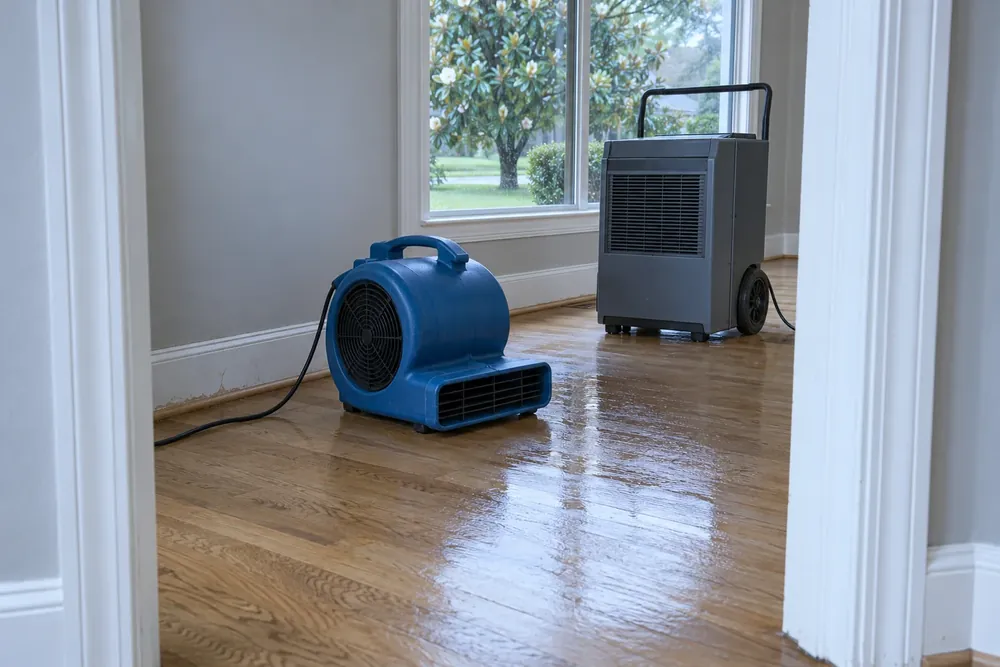
Insurance documentation can include photographs, material observations and moisture readings. Your insurer decides what your policy covers. During drying, your technician explains equipment operation and uses follow-up measurements to assess progress.
How do I get started?
Call with your location and a plain description of the water. A spreading puddle or fresh ceiling drip is enough to begin the conversation. Stay clear of wet electrical fixtures, wastewater and sagging ceilings while you call from somewhere safe.